
The Materials Powering Righteous Clothing: Ease Joined By Long-Lasting Strength
Prior to committing, anyone researching a righteous review tends to ask the same question before anything else: what materials make up this clothing? It’s a reasonable question, because material selection determines everything else that follows — how a garment fits after twenty washes, whether it pills at the cuffs, how it feels against skin on a humid afternoon as opposed to a cold morning. Righteous clothing has shaped its brand identity around exactly this worry, treating fabric choice as the foundation of the brand rather than a secondary consideration added as a footnote to a product description. This philosophy is reflected in the way each piece is built, from the yarn used to the finishing techniques applied before a garment ever gets to the customer.
Here, we unpack what goes into we are righteous apparel, why those decisions matter for everyday wear, and how the materials stack up against common fast-fashion alternatives still widespread in 2026. This piece also covers care, how long the pieces should last, and where the righteous hoodie slots into the brand’s wider collection. No filler, no vague marketing language — just the concrete facts that help someone determine whether this brand matches their wardrobe.
How Fabric Decisions Define an Apparel Label
Fabric is the single biggest factor separating clothing that lasts from clothing that lands in a donation bin after six months. A inexpensive, thinly woven cotton blend might seem comfortable on day one, but it deforms after several launderings and starts thinning at pressure areas like elbows and underarms. Righteous clothing brand sets itself apart from this pattern, opting for heavier-weight, closely woven fabrics that keep from stretching out even with regular wear. This is more than a promotional line — it reflects a larger shift in how consumers assess apparel now that fast fashion’s environmental and durability weaknesses are widely documented.
Weight matters more than most shoppers realize. Fabric weight is usually measured in grams per square meter (GSM), and garments under 180 GSM tend to feel thin and see-through, while anything above 280 GSM starts to feel structured and well-formed. Righteous apparel usually lands in the mid-to-heavy range, which accounts for why customers commonly describe the pieces righteous clothing store as feeling “worth the price” rather than flimsy. Heavier fabric also holds its shape through drying cycles, meaning reduced need for ironing and less frustration on laundry day.
There’s also the matter of a fabric behaves under tension. Rebound capacity — a garment’s capacity to snap back to its initial form following tension — is a technical property that sets apart well-made basics from poorly made ones. Blended fabrics with a small percentage of stretch elastane or a comparable elastic fiber tend to recover better than fully rigid, unblended cotton, which helps explain why numerous quality pieces incorporate blended constructions rather than using only single-fiber textiles.
A Closer Inspection at the Righteous Hoodie, Explored
Rightly so, the righteous-hoodie design has emerged as a near-signature piece for the brand, because hoodies are demanding when it comes to construction in terms of fabric quality.
Before long, an inferior hoodie will lose its hood’s shape, have its drawstrings loosen, and develop pilling near the front pocket.
Thanks to a heavier fleece-back construction, this hoodie offers an interior that’s brushed for softness alongside an outer shell that remains durable and smooth. This dual-layer method is common among premium streetwear brands but noticeably absent in cheaper alternatives.
The cuff-and-hem ribbing is something else worth flagging. Tight, sturdily-constructed ribbing preserves a hoodie’s shape unspoiled even after many cycles of wearing and washing, averting the stretched-out, saggy look that undermines cheaper garments after just a single season. Extra-durable stitching along the seams — most notably where the sleeve meets the body — reduces the likelihood of tears under routine activity, whether that’s lifting your arms up or toting a backpack.
Customers writing a we are righteous review often single out the hoodie’s weight and drape as reasons for repeat purchases. A hoodie that hangs correctly, without bunching at the waist or pulling at the shoulders, signals that the pattern-cutting behind it was done with actual wearability in mind, not just cost efficiency. That level of attention is one of the clearer signs of a brand thinking long-term rather than chasing short production cycles.
You Get Ease plus Tailoring, Never a Trade-Off
A sense of comfort is down to individual taste, but there are concrete criteria that shape it: airflow, balance of weight, and how the textile flows as you move. Righteous garments leans into textiles offering both softness and the backbone to preserve a garment’s intended form. This matters especially for roomier, relaxed-fit garments, since overly soft, bodyless fabric can leave them looking formless.
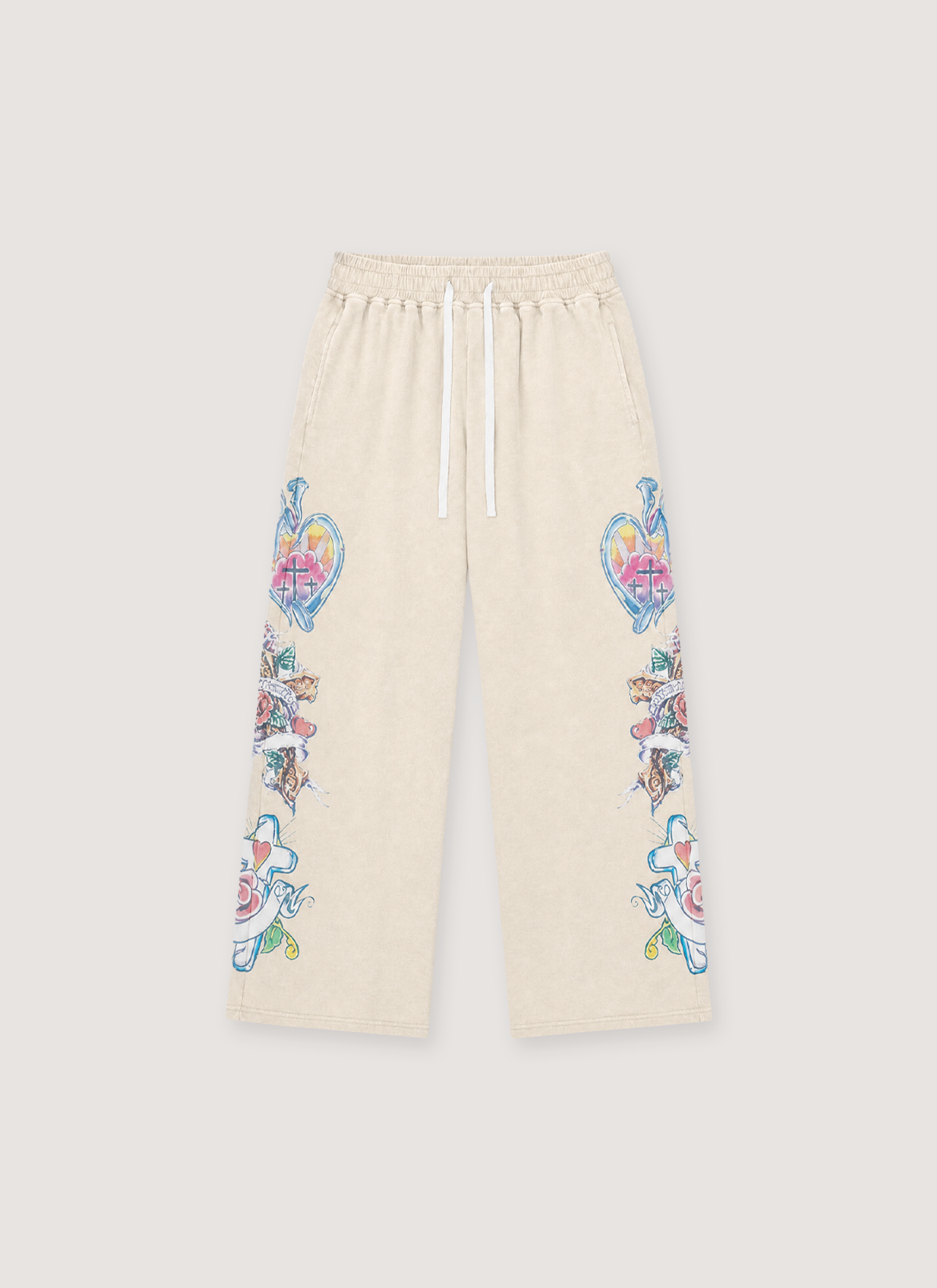
How well a fabric breathes hinges mostly on the blend of fibers paired with the density of the weave. Cotton-heavy blends allow better airflow than fully synthetic fabrics, which is why righteous apparel leans toward cotton-forward compositions for items built for regular, everyday rotation, setting aside more engineered or performance-driven fabrics for certain designated categories. Nothing here is treated as universal, and that’s by design — a hoodie built for chillier seasons demands something different from a lightweight tee designed for warmer weather.
Thermal balance is also a factor in how a garment is perceived over time. Materials that hold warmth inconsistently often feel unpleasant when the seasons shift, while smartly picked blends flex more naturally with conditions. It’s a subtle yet telling distinction—one that sets apart a brand that has carefully tested its materials across seasons from one that hasn’t.
What Actually Holds Up As Time Passes: Sturdiness
A garment’s staying power isn’t just about the material alone — it’s about each element cooperating: stitching, seam reinforcement, dye quality, and even the hardware used on drawstrings or zippers.
Righteous clothing brand has built a reputation partly on reinforced double-stitched seams, which reduce the likelihood of unraveling at pressure points.
Despite being a relatively low-cost production choice, it makes an outsized difference in how long a garment survives everyday use and laundering.
How well dye stays put is another underappreciated marker of long-term quality. After 10 to 15 washes, bargain-bin dyes lose vibrancy significantly, which leaves garments looking dull and inconsistent. Higher-quality dyeing methods, notably reactive-dye processes employed with cotton-based fabrics, hold onto color far longer and resist the dull, worn-out effect that plagues cheaper apparel. Customers reading a righteous review will often note that colors stay vivid even after months of regular wear, which reflects this kind of attention to the dyeing process rather than luck.
A fabric’s ability to resist pilling is rooted in fiber length and yarn quality. When rubbed, cheaper short-staple fibers develop pills in no time, whereas cotton fibers with a longer staple length create finer yarns that withstand the minor breakage that drives pilling. When you first buy it the eye can’t catch this nuance, yet it becomes very noticeable after a month of wear, and that’s precisely why it matters so much to satisfaction over the long run.
Righteous vs. Typical Fast Fashion— What Sets Them Apart
It certainly proves helpful to see the difference in tangible language instead of vague assertions. The table below lays out general qualities associated with mass-market fast-fashion staples compared to the benchmarks the righteous clothing brand aims for spanning its core clothing lines.
| Feature | Typical Fast Fashion | The Righteous Clothing Approach |
|---|---|---|
| Material Heft | Lightweight and sheer, often under 180 GSM | Mid-to-heavy weight for structure and durability |
| Seam Assembly | Basic single-line seams, at risk of fraying | Doubly reinforced seams placed at areas of strain |
| Dye Retention | Noticeably fading by 10–15 washes | Reactive-dye treatment for more lasting color retention |
| Structural Rebound | Prone to stretching out, losing its fit fast | Fibers blended to improve how well it snaps back from stretch |
| Resistance to Pilling | Heavy pilling within weeks | Pilling is reduced by using longer-staple fibers |
We’re not talking about bold, showy contrasts — these amount to the type of incremental craftsmanship choices that add up over months of ownership. A shopper comparing two hoodies side by side in a store might not notice fabric weight immediately, but they’ll notice it after the first wash cycle, and they’ll definitely notice it after the tenth.
Ways to Care for Your Garment and Lengthen Its Life
Fabric quality, no matter how impressive, cannot save clothing that’s maintained poorly — which is why proper washing habits are just as critical as the fabric themselves. Washing in cold water safeguards both color and fabric strength far better than hot water, which hastens color loss and material wear. Flipping garments inside out prior to a wash also lessens abrasion on the fabric surface, protecting printed designs and reducing fabric pilling on the outward-facing side of the fabric.
Letting garments air dry, or at minimum relying on a gentle, low-temperature tumble dry cycle, prevents the shrinkage and strain on fibers that high heat causes over recurring cycles. This is notably important for heavier fabrics like those used in the righteous hoodie, where excessive heat can cause the fleece lining to mat down and lose its softness over time. Such straightforward routines frequently decide whether a garment holds up one year or three, contributing real extra life along the way.
Storing folded rather than hung also helps knitwear and hoodies keep their original shape, since hanging bulkier garments can stretch the shoulders and neckline over time. Minor and easy to overlook as these tips are, they’re precisely the down-to-earth advice that turns a good purchase into a enduring wardrobe staple.
Final Thoughts on the Righteous Material Philosophy
Materials tell the underlying story behind any clothing brand, and righteous clothing has clearly shaped its identity around getting those fundamentals right rather than depending on flashy marketing alone. From fabric weight to stitching reinforcement to how well dye holds, each choice reflects a brand focused on how a garment performs six months or a year down the line, not just how it photographs on day one. That’s a significant distinction in a market still dominated by disposable fast fashion.
For anyone weighing a we are righteous review before purchasing, the practical takeaway is straightforward: its approach to fabric selection, construction, and finishing reflects genuine attention to durability and comfort, not just surface-level trends. Whether it’s the comfortable structure of the righteous hoodie or the wider range of righteous apparel, the materials are doing reliable work behind the scenes — which, at the end of the day, is exactly what good clothing should do.